
You might think managing Type 2 diabetes always involves a needle, a syringe, and the grim ritual of daily injections. Most people assume that if a drug is strong enough to shift your metabolic profile, it has to be delivered via a shot.
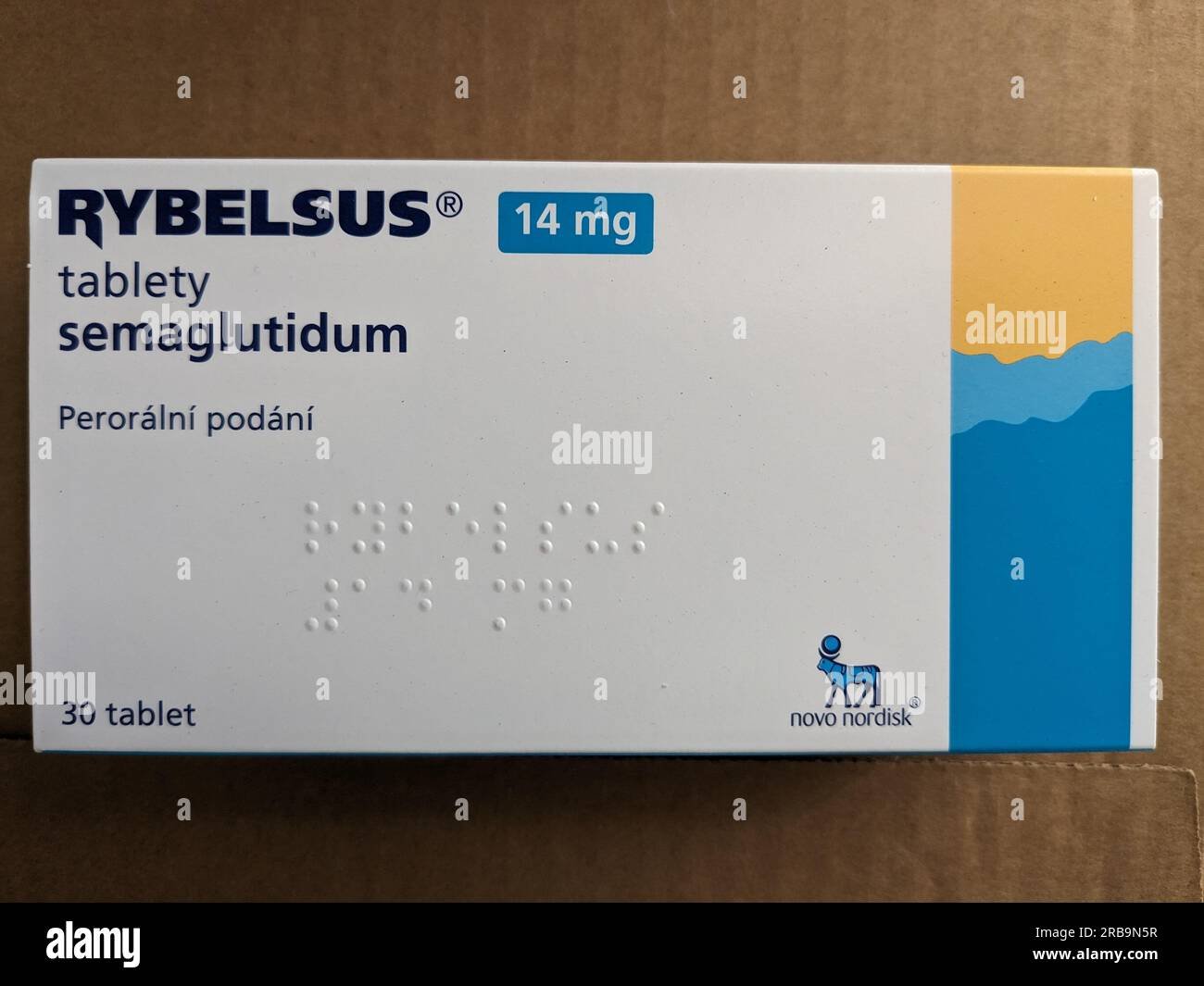
The reality is a bit more convenient, though chemically more complex. There is a pill version of the GLP-1 receptor agonist class, and that pill is Rybelsus. It isn’t just a “light” version of injectable semaglutide; it is a specific oral formula designed to actually survive your digestive system.
If you’re navigating diabetes management, you already know that blood sugar is a moving target. It’s a constant balancing act between what you eat, how much you move, and the signals your pancreas sends to your body.
Rybelsus (semaglutide) works by mimicking a hormone your body produces naturally. This hormone, GLP-1, tells your pancreas to release insulin when you eat and tells your liver to stop dumping extra sugar into your blood.
It also slows down how fast your stomach empties. This is why many people notice their appetite dropping; the food stays in your stomach longer, so you feel full for a longer stretch of time.
But taking a pill that mimics an injection comes with strict rules. You can’t just swallow it with your morning coffee and go about your day.
The absorption is finicky. To actually work, the drug has to pass through your stomach lining without being destroyed by acid or interrupted by food. Because of that, the timing of your dose is the most important part of your daily routine.
How the Chemistry Actually Works for You
When you take Rybelsus, you aren’t just “improving blood sugar.” You’re essentially hacking your endocrine system to mimic how the body responds to a meal. This is why it’s categorized as a Rybelsus medication for Type 2 diabetes that helps reduce A1C levels.
Think of it like a thermostat for your metabolism. Instead of just adding more insulin, which can sometimes cause a crash, this medication helps your body manage the insulin it already has more effectively.
Beyond the numbers on a monitor, there’s a protective side to it. For adults with Type 2 diabetes who are at high risk for cardiovascular issues, this medication can help reduce the risk of major events like heart attack or stroke.
It’s a two-pronged approach: you’re treating the diabetes while simultaneously addressing the heart risks that often come with it. It’s a proactive way to handle the condition.
Take “David,” for example. He’s a 54-year-old accountant who couldn’t keep his A1C below 8.0% even with a strict diet. After switching to a daily semaglutide tablet, his levels stabilized, and he stopped feeling that intense mid-afternoon hunger that used to lead him to a bag of pretzels at his desk.
That shift in hunger is often the first sign the drug is working. It isn’t a magic weight-loss pill, but it changes the biological signals that make managing weight feel like such an uphill battle.
If you’re looking for reliable ways to manage your prescription needs, you might look into Rybelsus online Farmacia Breda to ensure you are getting your medication through legitimate channels. Consistency is everything with this drug.
If you miss a dose, or if you take it with a full glass of water and then eat breakfast immediately, you might be wasting your money. The instructions are strict: take it once daily, at least 30 minutes before any food, other medication, or drink, except for a small sip of plain water.
The absorption is so sensitive that even a glass of orange juice could interfere with how much medication actually makes it into your bloodstream. It’s an annoying requirement, but it’s non-negotiable for the drug to work.
The Side Effect Profile and Safety Realities
No medication is a free lunch. When you start changing your digestion and hormones, your body will have an opinion. Most issues are gastrointestinal, meaning your stomach might struggle with the change at first.
Common complaints include nausea, vomiting, or diarrhea. These usually happen when you first start or when your doctor raises your dose, as your body learns how to process food and hormones differently.
However, there are more serious concerns you must discuss with your doctor. Not everyone can take this. For instance, Rybelsus side effects and warnings include specific contraindications that you can’t ignore.
You shouldn’t use this medication if you have a history of pancreatitis. Pancreatitis is an inflammation of the pancreas that can be severe and requires immediate medical attention.
There are also warnings regarding thyroid C-cell tumors. While the exact risk in humans is still being studied, the FDA has included a Boxed Warning regarding the potential for these tumors in animal studies.
Keep an eye on your vision, too. Some patients with diabetes experience vision changes; if you notice sudden blurred vision, contact an ophthalmologist immediately.
Here is what you might expect during those first few weeks:
- Mild nausea that peaks shortly after taking the pill.
- A general feeling of fullness, even after small meals.
- Possible changes in bowel habits as your gut adjusts.
- Occasional lightheadedness if your blood sugar drops too low.
Low blood sugar, or hypoglycemia, is a real risk, especially if you’re also taking insulin or sulfonylureas. You need to know the signs: shakiness, sweating, or confusion.
It’s also not for people with Type 1 diabetes. This is designed for the metabolic profile of Type 2, where the body’s response to insulin is impaired or production is insufficient, rather than a total lack of insulin production.
If you experience severe abdominal pain that moves to your back, stop taking it and call a doctor. That is a hallmark of pancreatitis, and you shouldn’t try to “wait it out” with ginger ale.
Comparing Your Options and Dosages
Rybelsus isn’t one-size-fits-all. The dosage is titrated, which is just a medical way of saying “slowly increased”—to help minimize stomach issues. You don’t jump to the highest dose on day one.
Starting low allows your digestive tract to get used to it. You might start at 3 mg, move to 7 mg, and eventually reach a 14 mg maintenance dose if your doctor thinks it’s right for your A1C targets.
This table shows the typical progression:
| Dosage Level | Typical Use Case | Goal |
|---|---|---|
| 3 mg | Starting Dose | Acclimation to the medication |
| 7 mg | Intermediate Dose | Continued glycemic control |
| 14 mg | Maintenance Dose | Optimal A1C and cardiovascular risk reduction |
The 14 mg dose is the goal for many, but it isn’t required for everyone. Some people find that 7 mg is the “sweet spot” where their blood sugar stays controlled without the nausea.
You might find yourself comparing this to other treatments. While some prefer the convenience of an injection (like Ozempic), others find a daily pill much less intimidating. There is a psychological side to medicine; a pill feels less “medical” than a needle, even if the chemistry is the same.
But don’t view this as a standalone fix. The guidance is clear: this is meant to be used “along with diet and exercise.” If you take the pill but keep eating a high-sugar, processed diet, you’re fighting an uphill battle against your own biology.
The medication works best alongside a lifestyle that supports insulin sensitivity. It’s a tool, not a loophole.
Your doctor might also monitor your kidney function. While not common, changes in how you process fluids can impact your kidneys, especially if you’re dealing with vomiting or diarrhea.
If you’re already taking meds for blood pressure or cholesterol, have your doctor review everything. Some drugs can change how fast your stomach empties, which can change how much Rybelsus your body actually absorbs.
Navigating the Long-term Journey
Managing a chronic condition like Type 2 diabetes is a marathon, not a sprint. There will be weeks where your numbers are perfect and weeks where a stressful event or a holiday meal throws everything off.
The goal of Rybelsus is to provide a baseline of stability. It’s about smoothing out the peaks and valleys of your glucose levels so your body isn’t constantly stressed by sugar spikes.
As you move forward, you’ll probably become an expert on your own data. Use your glucose monitor. Track your meals. Note how you feel after your morning dose. These details are often more useful to your doctor than a single reading in a clinic.
The way we treat diabetes is changing fast. What was once a daily injection is now a pill, and the options for managing metabolic health are growing every year.
Staying informed about how your specific medication works, including the strict timing and the side effects, is your best way to avoid complications.
At your next appointment, ask about your specific dosage plan and how your cardiovascular health fits into the big picture.